CHILDHOOD, ADOLESCENCE AND EDUCATION should always go together, and always in capital letters. That's how we see it, and keeping it in mind is what drives us to work to improve the living conditions of the children and young people who join our project.
The first thing we do is focus on their schooling and ensure that they and their families have access to decent nutrition and timely healthcare.
We can't solve every problem, but together, and with your essential support, however small, we can make a real and complete difference in other people's lives.
Our work
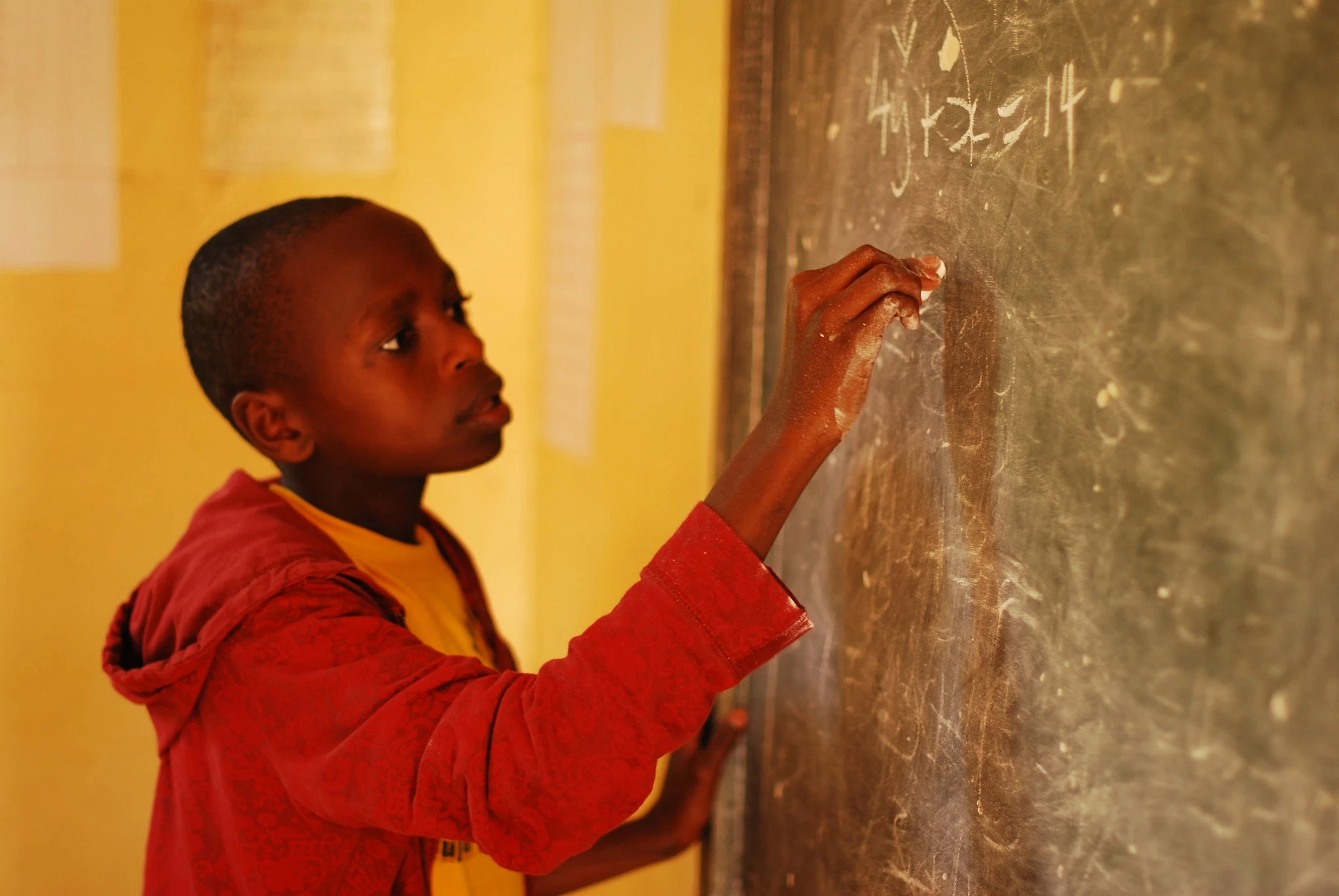
This is our founding premise and our main reason for being: giving Tanzanian children access to education — primary, secondary, vocational training, and university.
We give an opportunity to boys and girls who have never had one. Some of them hold on to it tightly and make it all the way to university. Many of them never even dreamed of reaching or completing primary school.
Earning a university degree changes their lives, but every achievement — for every child, however far they get — has undoubtedly been worth it. And this is also the achievement of the people who support and accompany them through their sponsorship.
Without health, there is no present
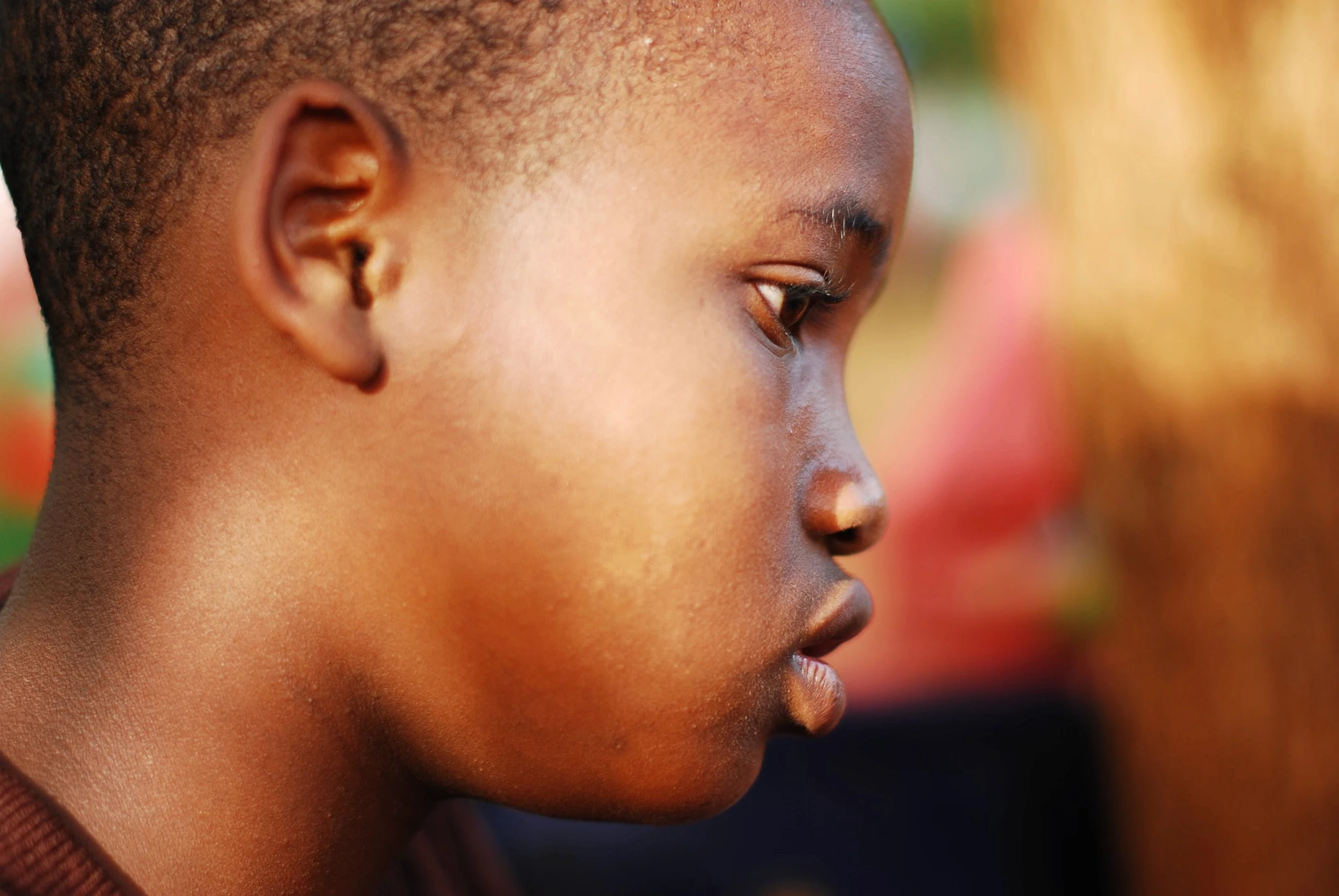
Tierra de Amani works closely with the social services departments of several public hospitals in the Kilimanjaro region.
Sometimes they contact us when they identify a child living with HIV in extreme poverty. In Tanzania, around 1.6 million people currently live with HIV. Those who are HIV-positive often live with great insecurity and fear, and even face depression and rejection from family, friends, or neighbours.
If a child who joins our project turns out to be HIV-positive, our support is comprehensive — covering not only financial and educational needs, but also medical and psychosocial care. We are there for them. We accompany them to their hospital appointments, keep track of their medical records and antiretroviral treatment, look after their nutrition, and cover the cost of any additional medical treatment.
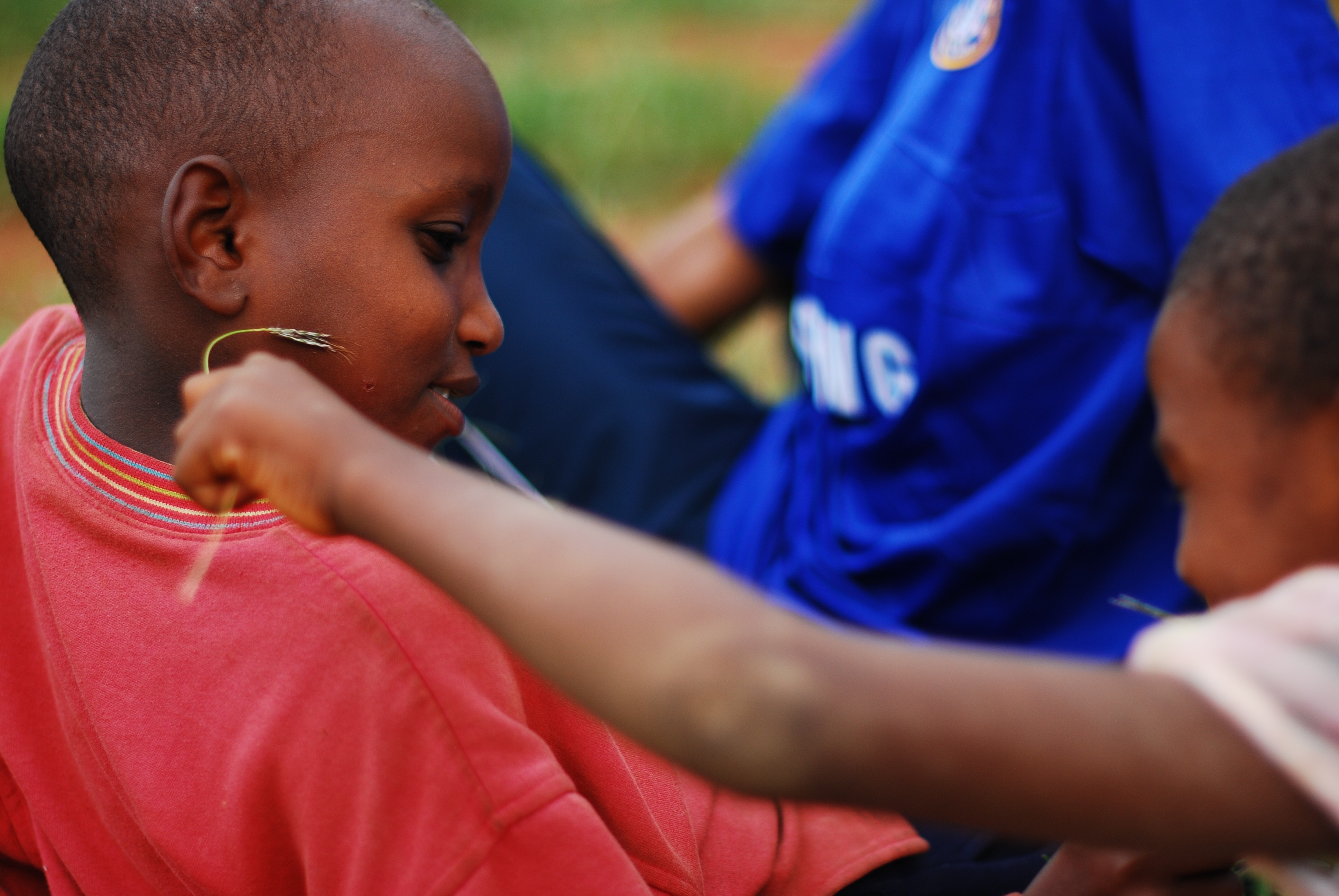
We often need to improve the home conditions of the children with the fewest resources. Some of them have relatives they can spend their holidays with, and when these families live in very precarious conditions and we have the necessary funds, we make improvements to their homes: we repair roofs, fix damp problems, or in some cases even build a new house.
When our children are orphaned or their families are not in a position to care for them, we look for trusted people close to the project who can take them in and offer them a safe environment. Sometimes it's even our own social workers who host them temporarily in their homes.
One of our future goals is to have our own space in Tanzania: a safe, stable place — a real home for the boys and girls who, outside of boarding school, have no family environment to return to.
We are working to make it possible.